


Solar generators and solar inverters are becoming increasingly popular in Nigeria, especially for homes, offices, shops and businesses that need a reliable source of electricity without depending entirely on the public power supply or petrol generators. With the cost of fuel, constant power interruptions and the need to keep appliances running, more people are turning to solar energy as a way to have electricity available whenever they need it.
Although solar generators and solar inverters are often mentioned together, they are not exactly the same thing. Both provide backup electricity and can use energy from the sun, but they work differently, have different components and serve different purposes depending on the amount of power you need.
A solar generator is generally an all-in-one power system designed to store electricity and supply it to appliances when needed. It usually comes with a built-in battery, inverter, charge controller and other essential components. You can charge it using solar panels, electricity from the grid or other supported charging methods, depending on the model. Once charged, it stores energy that can be used to power appliances such as TVs, laptops, fans, lights, phones and, depending on its capacity, other household equipment.
A solar inverter, on the other hand, is part of a larger power system. It works by converting electricity stored in batteries or received from solar panels into usable AC electricity for household appliances. Unlike many portable solar generators, a solar inverter system can be installed to power several appliances in a home, shop or business. It can be connected to solar panels, batteries and other sources of electricity, allowing you to build a system around your actual power needs.
The major difference is that solar generators are usually designed as compact, ready-to-use power solutions, while solar inverters are commonly used in larger, expandable installations that can support more appliances and longer periods of electricity usage.
However, choosing between a solar generator and a solar inverter is not just about the type of system you want to buy. It also comes down to the appliances you intend to power, how long you want them to run, how much electricity they consume and whether you need a portable solution or a permanent power setup for your home or business.
For someone who only needs electricity for basic appliances during power outages, a solar generator may be enough. But for a household that wants to power freezers, refrigerators, televisions, fans, lighting, pumps or even air conditioners, a properly sized solar inverter system may be a more suitable option.
Understanding how solar generators and solar inverters work, their differences, their capabilities and their limitations makes it easier to choose a system that will actually serve you well. Rather than buying based on the advertised capacity or the number of appliances a seller claims it can power, it is important to understand what the system can handle and how much energy it can provide throughout the day.
Solar power is not simply about buying an inverter or installing panels on your roof. It is about having a system that can generate enough energy, store it properly and deliver that energy to your appliances whenever you need electricity. That is what makes understanding solar generators and solar inverters important before investing in either one.
What Is a Solar Generator?
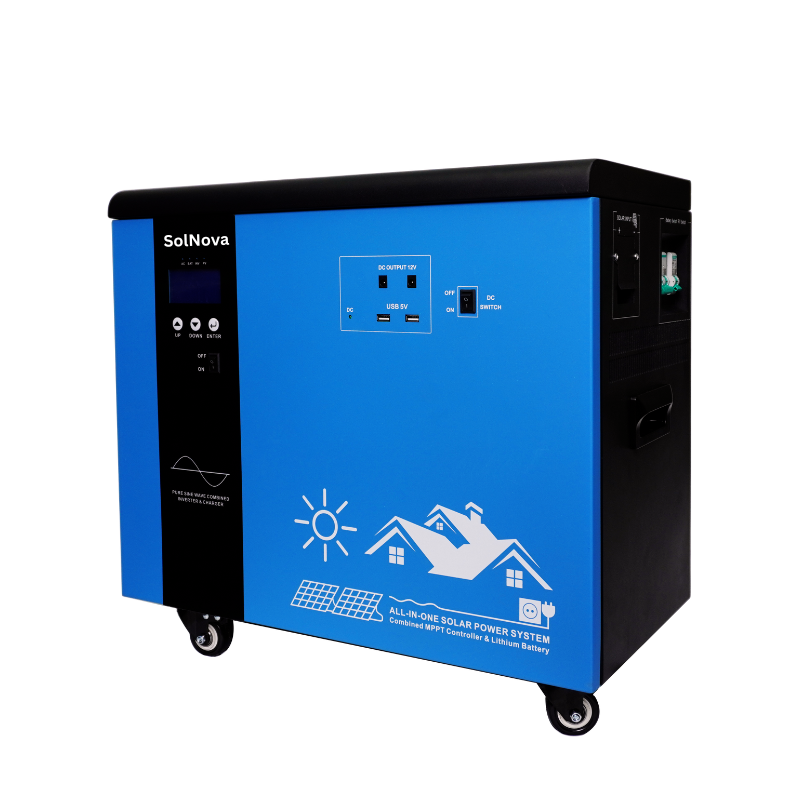
A solar generator is a system that stores electricity for use whenever you need power. It collects energy from solar panels, stores it in a battery and supplies that energy to your appliances when you need it.
Unlike a petrol generator, it doesn’t need fuel to produce electricity. It uses sunlight to recharge, and you can also charge some models with electricity from the grid.
Most solar generators come with a battery, inverter, charge controller and charging ports built into one unit. The solar panels collect energy, the battery stores it, and the inverter converts that energy into usable electricity for your appliances.
Depending on its capacity, a solar generator can power your TV, fan, laptop, lights, phones and even larger appliances. However, you need to check its power output and battery capacity before connecting anything. A small solar generator may handle basic appliances comfortably but struggle with a freezer, air conditioner or other heavy loads.
What makes a solar generator attractive is its convenience. You don’t have to deal with fuel, engine noise, exhaust fumes or constant maintenance. You can charge it with sunlight and use the stored electricity at night or whenever you need backup power.
However, the bigger your power needs, the more capacity you need. If you want to run several appliances or keep them on for hours, you need a solar generator with enough battery storage and power output to handle the load without draining too quickly.
A solar generator is a simple way to have electricity without depending entirely on the grid, but choosing the right one depends on what you want to power and how long you want to use those appliances.
What Is a Solar Inverter?

A solar inverter converts electricity from solar panels and batteries into usable power for your home or business. It allows you to run your appliances on solar energy without depending entirely on public electricity.
Solar panels generate DC electricity, but most household appliances use AC power. The inverter converts that energy into the type of electricity your appliances need to work.
Depending on its capacity, a solar inverter can power your lights, TV, fans, freezer, refrigerator, air conditioner and other appliances. It can also manage battery charging and switch between solar, battery and grid power, depending on the type of inverter.
Unlike a portable solar generator, a solar inverter usually works with separate batteries and solar panels, giving you more room to build a system around your electricity needs.
Choosing the right inverter comes down to the appliances you want to run, how much power they consume and how long you want to keep them running. Read and learn more at BOLAC INVERTER.
How Solar Generators and Solar Inverters Work
Solar generators and solar inverters use energy from the sun to provide electricity for your home, office or business. They collect solar energy through panels, store that energy in batteries and convert it into usable electricity whenever you need to power your appliances.
The process starts with the solar panels. Once sunlight hits the panels, they generate DC electricity and send it to the system. The charge controller manages how much energy enters the battery, helping it charge properly and preventing overcharging. The battery then stores that energy for later use, especially when the sun goes down or you need electricity during a power outage.
When you switch on your appliances, the inverter converts the stored DC electricity into AC power, which your TV, freezer, fan, refrigerator and other appliances can use. The amount of power available depends on the inverter’s capacity, battery size and the energy your solar panels generate.
A solar generator handles these processes through a compact unit that combines the battery, inverter and other essential components. You connect your solar panels, charge the generator and use the stored energy whenever you need it. Most models also allow you to charge from a wall socket, so you don’t have to depend on sunlight alone.
A solar inverter system works in a similar way but usually comes with separate components. You can connect different battery sizes, install more solar panels and build a system that suits your electricity needs. Some inverter systems can also draw power from the grid to charge the batteries or support your appliances when solar energy isn’t enough.
The beauty of both systems is that you can generate and store your own electricity instead of waiting for public power or spending money on fuel every time you need to run your appliances. However, they still depend on proper sizing. Your solar panels must generate enough energy to recharge the batteries, your battery must hold enough power for your intended usage, and your inverter must handle the appliances you want to run.
So, while solar generators and solar inverters work on the same basic principle, their setup, capacity, flexibility and application can differ significantly. Understanding how they work helps you make better decisions when choosing a solar power system for your home or business.
Key Differences Between a Solar Generator and a Solar Inverter
A solar generator and a solar inverter can both provide electricity when you need backup power, but they work differently and serve different needs. The main difference is how they store, deliver and supply electricity to your appliances.
A solar generator comes as a complete unit with a battery, inverter and charging system already built in. You don’t need to put different components together before using it. Charge it, connect your appliances and you’re good to go. Most solar generators work well for people who need power for basic appliances or want something they can easily move around.
A solar inverter, on the other hand, gives you more room to build a power system that suits your home or business. You can connect it to batteries, solar panels and other components to determine how much power you want to store and the appliances you want to run. This makes it a better option for people with higher electricity needs, especially those who want to power freezers, refrigerators, air conditioners and other heavy appliances.
Another difference is installation. Solar generators require little setup, while solar inverters usually need proper installation, wiring and connections to work efficiently. Solar generators are also easier to move, whereas most solar inverter systems stay in one place.
If you need something simple to power a few appliances without dealing with installation, a solar generator may be enough. But if you want to power more appliances, have more control over your battery capacity and expand your system as your electricity needs increase, a solar inverter is worth considering.
The right choice comes down to how much power you need, the appliances you want to run and how you intend to use the system.
Types of Solar Generators and Solar Inverters
Solar generators and solar inverters come in different sizes, and each one serves a different purpose. While some can only handle basic appliances like lights, fans and televisions, others can supply enough power for refrigerators, freezers, air conditioners and other heavy appliances.
The mistake many people make when choosing solar equipment is focusing only on the size or appearance of the system. What really matters is how much power it can supply, how much energy it can store and whether it can handle the appliances you want to use.
Let’s look at the different types of solar generators and solar inverters and what makes each one different.
Types of Solar Generators
1. Portable Solar Generators
If you need electricity that you can move from one place to another, a portable solar generator is worth considering. These units usually come with a built-in battery, inverter and charge controller, so you don’t need to assemble several components before using them.
You can charge them with solar panels or other supported power sources. They work well for charging phones, powering laptops, running fans and keeping small appliances on during power outages.
2. Small Solar Generators
Small solar generators are suitable for people who need electricity for just a few appliances. They can help keep your lights on, charge your devices and power a television or fan when regular electricity goes off.
However, their small battery capacity and power output limit what they can handle. If you plan to connect a freezer or refrigerator, check the specifications first.
3. Medium-Sized Solar Generators
A medium-sized solar generator gives you more power and battery storage than a small unit. It can support more appliances at the same time, making it useful for households that need more than basic backup electricity.
Depending on its capacity, you can use it for televisions, fans, refrigerators, lights and other household appliances. The number of appliances you can run and how long they will stay on depend on their combined power consumption.
4. Large Solar Generators
Large solar generators target people with bigger electricity needs. They have higher power ratings and larger batteries, which make them suitable for running several appliances.
Some models can support freezers, refrigerators and air conditioners. However, you still need to check their inverter output, battery capacity and starting power before connecting these appliances.
Types of Solar Inverters
1. Off-Grid Solar Inverters
An off-grid inverter gives you electricity without depending on the national grid. It works with solar panels and batteries to supply power to your appliances.
This setup suits homes and businesses that want to depend more on solar energy, especially in areas where regular electricity supply is unreliable.
2. On-Grid Solar Inverters
On-grid inverters connect your solar installation to the national electricity grid. They convert the electricity from your solar panels into usable power and allow your home to draw from solar energy and the grid.
However, most standard on-grid inverters shut down when the grid goes off. So, if you want electricity during an outage, you need an inverter with suitable backup features and the right battery setup.
3. Hybrid Solar Inverters
Hybrid inverters combine solar power, battery storage and grid electricity in one system. They give you the flexibility to use solar energy during the day, store extra energy in your battery and draw from the grid when necessary.
For example, your solar panels can power your appliances while charging your battery. When sunlight becomes insufficient, the inverter can switch to battery or grid power, depending on its settings.
4. Pure Sine Wave Inverters
Pure sine wave inverters provide smooth and stable electricity that works well with most household appliances. You can use them to power televisions, refrigerators, freezers, fans, computers and air conditioners, provided the inverter has enough capacity.
They are particularly useful for appliances with motors and sensitive electronic components.
5. Modified Sine Wave Inverters
Modified sine wave inverters produce a different type of electrical output from pure sine wave models. They can power some basic appliances, but certain electronics and motor-driven equipment may struggle to work properly with them.
This can lead to extra noise, heating or poor appliance performance. If you want to power several household appliances, check their compatibility before choosing this type.
Choosing the Right Solar Generator or Inverter
Before buying a solar generator or inverter, look beyond the advertised wattage. Think about what you use electricity for every day.
Someone who only needs to power a television, a few fans and some lights doesn’t need the same setup as someone running multiple freezers in a frozen-food business.
Check the power consumption of your appliances, the inverter’s output capacity and the amount of energy the battery can store. Also, remember that appliances like freezers and air conditioners need extra power when their compressors start.
When you understand these requirements, you can choose a solar generator or inverter that matches your needs instead of buying one that struggles to power your appliances. Worry no more, see details at BOLAC INVERTER.
What Appliances Can Solar Generators and Solar Inverters Power?
Before buying a solar generator or inverter, one question naturally comes to mind: Can it power the appliances I use every day? You don’t want to invest in a solar system only to find out that it cannot run your freezer, refrigerator, air conditioner or other important appliances.
The good thing is that solar generators and inverters can power different types of appliances, from small household electronics to heavy equipment. What matters is the capacity of the system and how much electricity your appliances consume.
For everyday use, a small solar generator or inverter can handle appliances like television, fans, lighting, laptops and phone chargers. These appliances generally consume less power, so they don’t put as much pressure on the battery. If you mainly need electricity for basic household activities during power outages, a small setup may be enough.
But what if you want to power a refrigerator, chest freezer or upright freezer? That’s where you need to pay closer attention to the system you choose. These appliances need electricity throughout the day to keep food cold, and their compressors draw extra power whenever they start. Your inverter must handle that starting load, while your battery needs enough storage to keep them running for the hours you require.
For bigger electricity needs, you can go for a higher-capacity inverter system. With the right battery and solar panels, you can power appliances like washing machines, water pumps, microwaves, pressing irons and air conditioners. However, these appliances don’t consume the same amount of electricity. Running an air conditioner alongside several freezers, for example, requires a much stronger setup than powering a few fans and televisions.
This is particularly important for business owners. If you run a frozen-food shop, you probably need more than electricity for lighting and a standing fan. Your freezers are important to your business, and losing power for several hours can put your frozen chicken, turkey, fish and meat at risk. You need a solar system that can support the freezers without constantly draining the battery or overloading the inverter.
Here are some common appliances you can run with a properly sized solar generator or inverter:
-
Home appliances: Television, fans, refrigerators, freezers and lighting.
-
Office equipment: Laptops, desktop computers, printers, routers and other electronics.
-
Kitchen appliances: Microwaves, blenders, electric kettles and other cooking equipment.
-
Heavy appliances: Air conditioners, washing machines, water pumps and pressing irons.
-
Business equipment: Chest freezers, upright freezers, display refrigerators and other equipment used in shops.
Can Solar Generators and Inverters Handle Heavy Appliances?
Yes, they can, but not every solar generator or inverter has the capacity to do so. A small portable unit may power your television and fan without any problem, but that doesn’t mean it can handle an air conditioner or multiple freezers.
You need to look beyond the wattage written on the inverter. Check the power consumption of each appliance, how much power it needs when starting and how many appliances you intend to run together.
Your battery also plays a major role. The inverter determines how much power you can use at once, while the battery determines how much energy you have stored and how long you can keep your appliances running.
For instance, if you want to power three freezers, you need to calculate their combined consumption and account for the extra power their compressors require when they start. You also need enough battery storage to keep them running for your expected hours.
The goal isn’t just to buy an inverter with a big capacity. It’s to get a complete solar setup that can comfortably handle your appliances and provide electricity for as long as you need it. Check out a package that suits your home appliances at BOLAC INVERTER.
Benefits of Solar Generators and Solar Inverters
One thing nobody wants is to keep struggling with electricity. Imagine trying to watch a movie, work from home, preserve frozen food or attend to customers, only for the power to go off. You either wait for electricity to return or switch on your petrol generator and spend more money on fuel.
Solar generators and solar inverters give you another way to handle these situations. They allow you to generate and store electricity, so you don’t have to depend entirely on public power or petrol generators. Here are some of the benefits that make them a good option for homes and businesses.
1. Keep Your Appliances Running During Outages
You don’t have to sit in darkness or abandon your daily activities whenever electricity goes off. With the right solar setup, you can keep your fans, television, lights, refrigerators and other appliances running. For business owners, this also means you can continue attending to customers instead of closing shop because of a power outage.
2. Spend Less on Fuel
If you use a petrol generator almost every day, you know how quickly fuel expenses can pile up. Sometimes, you spend more money on fuel than you planned. Solar generators and inverters help reduce that burden by allowing you to generate electricity from sunlight without buying petrol every time you need power.
3. Enjoy a Quieter Home and Workplace
The noise from a petrol generator can make it difficult to concentrate, sleep or even have a normal conversation. Solar generators and inverters offer a quieter experience because they don’t rely on noisy engines to supply electricity. You can work, relax or attend to customers without that constant generator sound.
4. Power More Than Just Your Lights
Solar power can do much more than keep your bulbs on. Depending on the capacity of your system, you can run your television, fans, freezer, refrigerator, laptop, washing machine and even an air conditioner. This makes solar generators and inverters useful for people who want to power several appliances without relying on a fuel generator.
5. Reduce Harmful Emissions
Petrol and diesel generators release fumes whenever they run. Solar panels work differently. They use sunlight to generate electricity without burning fuel. By switching to solar energy, you can reduce the pollution that comes from running traditional generators.
6. Spend Less Time and Money on Maintenance
A petrol generator needs regular servicing to keep its engine in good condition. You have to check the oil, clean or replace certain parts and handle other maintenance needs. Solar generators and inverters don’t have these engine-related requirements. You still need to look after the battery, panels and connections, but you won’t deal with the same routine servicing that comes with fuel generators.
7. Use Sunlight to Generate Your Own Electricity
The sun provides an energy source you can use every day. Instead of buying fuel whenever you need electricity, your solar panels collect sunlight and turn it into usable power. The more suitable sunlight your panels receive, the more energy they can generate for your system.
8. Protect Your Business from Power Interruptions
A power outage can affect your business in different ways. If you sell frozen food, for example, losing electricity can put your chicken, turkey, fish and other products at risk. A properly sized solar inverter or generator can help keep your freezers running and reduce interruptions to your daily operations. You can focus on serving customers without constantly worrying about the next outage.
9. Have Power Available After Sunset
Your solar panels may stop generating electricity when the sun goes down, but that doesn’t mean you have to lose access to solar power. A battery stores energy during the day and supplies it when you need electricity at night. Your available runtime depends on how much energy the battery stores and how much power your appliances consume.
10. Upgrade Your System as Your Needs Increase
You may only need a few appliances today, but your power needs can change. Perhaps you want to add another freezer, buy an air conditioner or power more equipment for your business. Depending on your inverter’s design and capacity, you can expand your solar setup with compatible batteries and additional panels.
At the end of the day, solar generators and solar inverters give you another way to take control of your electricity. You can reduce your fuel expenses, enjoy a quieter environment and keep important appliances running when public power fails. Whether you need electricity for your home, office or business, the right solar setup can make everyday life a lot easier.
Limitations of Solar Generators and Solar Inverters
Solar generators and solar inverters can make life easier, especially when you need a reliable power supply at home or in your business. You can run your appliances, reduce your dependence on fuel and enjoy electricity without constantly worrying about power outages. However, these systems also have their limitations, and it is important to understand them before investing in one.
1. High Initial Cost
Setting up a good solar power system can cost a lot, especially if you want enough power to run several appliances. You need to consider the inverter, batteries, solar panels and installation. The bigger your power needs, the more equipment you may need. Although solar can save you money over time, the initial investment can be difficult for some households and business owners.
2. Dependence on Sunlight
Solar panels need sunlight to generate electricity. On bright, sunny days, they can produce plenty of power, but their output drops when the weather becomes cloudy or rainy. This can affect how quickly your batteries charge, especially during long periods of poor weather.
3. Limited Battery Storage
Your solar battery can only store a certain amount of electricity. Once it runs low, you may not have enough backup power to keep all your appliances running. If you regularly use heavy appliances such as freezers, air conditioners and water heaters, you need enough battery capacity to handle their energy demands.
4. Not Every Appliance Can Run on Any System
Buying a solar generator or inverter does not automatically mean you can connect every appliance in your home. Each system has a power limit. Connecting appliances that require more power than the inverter can handle can cause it to overload or shut down. Always check the wattage of your appliances before choosing a system.
5. Batteries Lose Capacity Over Time
Solar batteries do not maintain their original performance forever. As you use and recharge them over the years, their storage capacity gradually reduces. This means a battery that once powered your appliances for several hours may eventually provide a shorter backup time. You will need to replace it when it reaches the end of its useful life.
6. Installation Requires Proper Planning
A solar inverter system needs proper installation to work safely and efficiently. You cannot simply connect random batteries, panels and appliances and expect everything to work perfectly. Poor wiring, incorrect connections and wrong system sizing can affect performance and damage equipment.
7. Limited Power During Heavy Usage
If you connect too many appliances at once, your system may struggle to supply enough electricity. For example, running multiple freezers, an air conditioner, an electric iron and other heavy appliances together can quickly push an undersized inverter beyond its capacity. You may need a bigger inverter, additional batteries or a more suitable solar setup.
8. Maintenance and Replacement Costs
Solar systems do not require as much maintenance as petrol generators, but they are not completely maintenance-free. You need to keep your solar panels clean, inspect connections and monitor battery performance. Some components may also need repairs or replacement as they get older.
9. Space Requirements
Installing enough solar panels to meet your electricity needs requires adequate space. If you have a small roof or limited outdoor space, fitting all the panels you need may become a challenge. You also need to position them properly to receive enough sunlight.
10. Solar Charging Takes Time
Unlike a petrol generator that can supply electricity once you start it, solar panels need time to charge your batteries. The charging speed depends on the number of panels, sunlight intensity, battery capacity and power consumption. If your battery runs low, you may have to wait several hours for it to recharge fully.
Solar generators and solar inverters offer a convenient way to enjoy electricity, but they are not without challenges. The best way to avoid disappointment is to choose a system that matches your actual power needs. Consider the appliances you want to run, how long you need them to work and how much battery storage you require before making a decision.
Solar Generator vs Solar Inverter: Which Is Better for Home Use?
If you’re planning to switch to solar power at home, you may find yourself choosing between a solar generator and a solar inverter. Both can help you keep your appliances running when public electricity goes off, but they don’t offer the same experience.
A solar generator gives you a ready-made power source that you can start using with little setup. A solar inverter gives you more freedom to build a system around your home’s electricity needs. The better option depends on what you want to power and how much electricity your household uses every day.
Using a Solar Generator at Home
A solar generator is a good option if you need electricity for a few basic appliances. Most models already have a battery and inverter built into the unit, so you don’t have to buy and connect several separate components before using them.
You can use one to power your television, phone, laptop, Wi-Fi router, lights and small fans. Some larger models can handle refrigerators and other demanding appliances, but you need to check their power capacity before connecting them.
Another thing people like about solar generators is how easy they are to use. Many models are portable, so you can move them around the house whenever you need power in another room.
Using a Solar Inverter at Home
A solar inverter makes more sense when you want to power several appliances throughout your home. Unlike most portable solar generators, a home solar inverter system uses separate components, including batteries and solar panels.
This setup gives you more room to choose the amount of power you need. You can start with a system for your basic appliances and expand it later by adding compatible batteries or more solar panels.
For example, a properly sized solar inverter system can run televisions, refrigerators, freezers, fans, lighting and even air conditioners. However, the inverter and battery must have enough capacity to handle those appliances.
What Makes Them Different?
The difference becomes clearer when you look at how each system fits into everyday home use.
-
Ease of use: A solar generator comes as a ready-made unit, while a solar inverter system requires separate components and installation.
-
Portability: You can move many solar generators around, but a typical home inverter system stays in one location.
-
Power supply: Your appliances determine the capacity you need. Larger inverter systems generally offer more room to handle several household appliances.
-
Battery capacity: Solar generators usually come with built-in batteries, while solar inverter systems use separate batteries that you can size to your needs.
-
Expansion: Many solar inverter systems allow you to add more batteries and panels. With solar generators, expansion depends on the model.
-
Space: A portable solar generator takes up relatively little space, while a home solar inverter setup needs room for its batteries and other components.
Which One Should You Choose for Your Home?
Start by looking at the appliances you use every day.
If you mainly need electricity for your television, phone, laptop, Wi-Fi router, lights and a few fans, a solar generator may do the job. You get a simple setup without worrying about buying several separate components.
But if your home uses multiple freezers, refrigerators, air conditioners and other heavy appliances, a properly sized solar inverter system is worth considering. You have more flexibility with battery storage and solar panel capacity, which makes it easier to build a system that meets your household’s needs.
Don’t choose based on appearance or advertised capacity alone. Check the power rating of the inverter, battery capacity and the amount of electricity your appliances consume and if you’re confused,see details at BOLAC INVERTER.
Are Solar Generators and Solar Inverters Worth It?
Yes, solar generators and solar inverters are worth considering, especially if you’re tired of spending money on fuel or dealing with frequent power outages.
They give you another way to power your home, keep your appliances running and reduce your dependence on public electricity. You also enjoy quieter operation without the noise and fumes that come with petrol generators.
However, solar power requires an initial investment, and the cost depends on the size of the system you need. You also need enough battery storage and solar panels to support your daily electricity consumption.
If you choose the right system for your needs, solar power can save you money over time and make life more comfortable and that’s why BOLAC INVERTER.exists.
See details here BOLAC INVERTER.
Leave a Reply